
Environmental Protection
As a manufacturer of carbon steel and stainless steel butt weld pipe fittings and welded pipes, Pantech Global recognises that our production processes carry an inherent environmental footprint — one we are committed to managing responsibly across our operating facilities in Klang, Selangor and Pasir Gudang, Johor. Environmental stewardship is embedded in how we manufacture, guided by our Environmental Policy and its five pillars, represented by the acronym EARTH: Environmental Management, Adherence to Laws and Regulations, Resource Efficiency, Transparency and Accountability, and Heightened Environmental Awareness and Training.
Addressing the six key areas stated above is not only central to how we uphold our regulatory and operational responsibilities, but core to safeguarding the long-term resilience of our business and the trust our customers, regulators and communities place in us. We recognise that meaningful environmental progress cannot be achieved in isolation. We continue to strengthen collaboration with regulatory bodies, industry partners, suppliers and local communities, and we welcome the opportunity to work alongside our stakeholders in building a more sustainable and climate-resilient future.
We are committed to addressing environmental challenges across six key areas:
Sustainable Cities and Communities
We adopt sustainable operating practices that minimise our environmental footprint and reflect responsible business conduct.
Responsible Consumption and Production
We apply the 4R principles — Reduce, Reuse, Recycle, Recover — to maximise resource efficiency and minimise waste across our operations.
Climate Action
We implement measures to lower our carbon footprint and advance climate-conscious practices throughout our business.
Partnerships for the Goals
We collaborate with stakeholders across our value chain to advance shared sustainability objectives.
| Risk | Opportunity | |
|---|---|---|
| Climate Change Strategy and Initiatives | Climate-related risks, evolving regulations, and transition requirements may increase operational costs and expose Pantech Global to transitional, reputational and compliance risks. | Climate action enhances resilience, strengthens stakeholder confidence, and improves alignment with global sustainability targets. |
| Water Usage | Inefficient water management may lead to higher operational costs, potential scarcity, and regulatory non-compliance. | Efficient water use reduces costs and ensures continued compliance and long-term operational continuity. |
| Waste Management | Improper waste handling may cause pollution, non-compliance with environmental regulations, and harm to the surrounding community. | Robust waste management and recycling initiatives improve resource efficiency, mitigate environmental impact, and support circular economy practices. |
| Environmental Compliance and Pollution Control | Non-compliance with environmental standards may result in penalties, legal action, reputational harm, and in worst-case scenarios, orders to halt operations or close a manufacturing plant. | Environmental Compliance and Pollution Control Non-compliance with environmental standards may result in penalties, legal action, reputational harm, and in worst-case scenarios, orders to halt operations or close a manufacturing plant. Continued compliance builds trust with regulators and stakeholders while ensuring long-term operational continuity. |
- Climate Change Strategy and Initiatives
Pantech Global manages climate risk through a formalised Net Zero Roadmap targeting net-zero GHG emissions by 2050, tracked across Scope 1, 2 and 3 emissions and guided by our EARTH environmental policy. - Water Usage
We monitor water stress and consumption continuously, using tools such as the WRI Aqueduct Water Risk Atlas alongside diversified water sources to ensure efficient, responsible use. - Waste Management
We apply a Recycle and Recover approach to waste handling, ensuring scheduled waste is properly managed through licensed contractors while segregated recycling initiatives divert waste from landfill. - Environmental Compliance and Pollution Control
We continuously monitor air and water quality and waste practices, supported by regular audits and close engagement with regulatory bodies, to safeguard compliance and the communities around our operations.
Energy
| FY | Energy Consumption (GJ) | Energy Intensity (GJ/production tonne) | Remarks |
|---|---|---|---|
| 2025 | 115,868 | 2.51 | First year reporting as a standalone entity.
|
| 2026 | 125,001 | 2.35 |
|
Carbon Emissions
| Emissions | FY2025 (tCO2e) |
FY2026 (tCO2e) |
|---|---|---|
| Scope 1 | 674 | 664 |
| Scope 2 | 21,288 | 20,668 |
| Scope 3 (limited to business travel and employee commute) |
715 | 773 |
| Total | 22,677 | 22,105 |
| Emissions Intensity (tCO2e/production tonne) | 0.48 | 0.40 |
Water Withdrawal
We use the World Resource Institute (WRI) Aqueduct Water Risk Atlas Tool to identify the water stress level at our operation locations.
100% of our sites draw from municipal potable water with low stress levels i.e. below 10%.
| Water Withdrawal by Source | FY2025 (ML) | FY2026 (ML) |
|---|---|---|
| Municipal potable water | 62.61 | 61.74 |
| Rainwater Harvesting System | 13.81 | 16.80 |
| Total | 76.42 | 78.54 |
Waste and Effluent Management
| FY2025 (MT) | FY2026 (MT) | |
|---|---|---|
| Scheduled Waste (SW) generated | 1,184 | 1,343 |
| SW directed from disposal | 824 | 758 |
| SW directed to disposal | 360 | 584 |
| SW intensity (MT/production tonne) | 0.026 | 0.025 |
| FY2025 (MT) | FY2026 (MT) | |
|---|---|---|
| General waste generated (MT) | 293 | 232 |
| General redirected from landfill (MT) | 125 | 112 |
| General waste disposed (MT) | 168 | 120 |
Environmental Compliance
| FY2025 (RM) | FY2026 (RM) | |
|---|---|---|
| Total amount of compounds received by local authorities/ regulatory bodies | 0 | 0 |
Note: There is no incident of non-compliance with water quality/ quantity permits, standards and regulations. Please refer to the respective Sustainability Statements for details of the non-compliance incidents.
Our Commitment
TO ZERO
Key initiatives in each phase towards net zero by 2050.
- Renewable energy: Installation and operation of rooftop solar photovoltaic (“PV”) systems
- Electric forklifts: Progressive replacement of conventional forklifts with electric alternatives
- Energy efficiency improvements: Conduct energy audits, upgrade to energy-efficiency equipment and machinery and optimise operational process
- Education and awareness: Encourage energy-saving practices across operations
- Climate-aligned CAPEX: Incorporate green design principles and sustainability considerations into expansion and facility development plans
- Enhance Renewable Energy Deployment: Expanding and optimising renewable energy capacity, assessing complementary options such as off-site arrangements and energy storage, and monitoring regulatory requirements or incentives
- Energy efficiency improvements: Continued implementation of energy efficiency improvements through technology upgrades and process optimisation
- Supplier engagement and cooperation: Strengthen low-carbon procurement practices and engage suppliers in supporting decarbonisation efforts
- Carbon credits: Explore use of carbon credits as a complementary measure
- Policy and regulatory alignment: Active monitor and participate in government and regulatory decarbonisation initiatives and incentives
- Technological innovations: Identity, assess and implement advanced and emerging manufacturing technologies
- Low-carbon and renewable energy sources: Achieve near-full adoption of low-carbon and renewable energy across operations where technically feasible
- Carbon credits: Strategic use of carbon credits for hard-to-abate emissions
- Policy and regulatory alignment: Continuous effort to align long-term decarbonisation actions with the national climate policies, technology standards and regulatory requirements

“We must act now to…limit global temperature rise to 1.5°C, to avert the worst of climate chaos. The world can’t wait.”
United Nations Secretary-General António Guterres
Climate Change
Climate change represents one of the most material sustainability matters for Pantech Global, given our reliance on energy-intensive manufacturing processes and our position as an exporter of specialised industrial products to markets increasingly shaped by climate-related regulation. We recognise that climate-related risks and opportunities manifest differently across time horizons, and our Net Zero Roadmap reflects a phased understanding of how these risks and opportunities evolve as we progress through each stage of our decarbonisation journey.
| Time Horizon | Key Risks | Key Opportunities |
|---|---|---|
| Short Term | Rising compliance costs from evolving climate-related regulations and reporting requirements; potential exposure to carbon border adjustment mechanisms (e.g. CBAM) affecting export competitiveness to regulated markets | Early-mover advantage from solar PV installations already operational at both PSI and PSA; improved energy efficiency lowering short-term operating costs; strengthened stakeholder confidence from transparent climate disclosure |
| Medium Term | Increased capital expenditure required to fund Phase 1 and Phase 2 of the Net Zero Roadmap; potential supply chain disruption as suppliers face their own climate compliance pressures | Enhanced competitiveness through lower emissions intensity per production tonne; strengthened customer relationships as clients increasingly require lower-carbon supply chains; potential access to green financing or incentives tied to climate performance |
| Long Term | Physical risks from more frequent extreme weather events affecting manufacturing facilities and logistics; potential stranded-asset risk if decarbonisation technology or regulatory alignment lags industry pace; reputational and market-access risk if net-zero targets are not credibly achieved | Long-term resilience and cost stability from reduced reliance on carbon-intensive energy sources; continued recognition as a genuine, compliant manufacturer supporting sustained access to critical export markets; alignment with global net-zero trajectories strengthening long-term stakeholder and investor trust |
By identifying and addressing climate-related risks and opportunities across short, medium and long-term horizons, Pantech Global ensures that our climate strategy remains both responsive to immediate regulatory and operational pressures, and resilient in the face of longer-term structural shifts in our industry. Our phased Net Zero Roadmap provides a clear framework for translating this understanding into action, reinforcing our commitment to sustainable, climate-resilient growth for the benefit of our stakeholders, communities, and the planet.
Climate Scenario Analysis
To better understand our climate resilience, Pantech Global has begun qualitative climate scenario analysis, considering both a 1.5°C orderly transition pathway and a higher-warming physical risk scenario, to inform our understanding of climate-related risks and opportunities across our operations. This work is being developed further as part of our ongoing IFRS S2 adoption, and will be enhanced with more detailed quantitative modelling as our capabilities mature. This analysis considers both transition risks (policy, market, and technology shifts) and physical risks (acute and chronic climate hazards) across short, medium, and long-term horizons, relevant to our manufacturing operations in Klang, Selangor and Pasir Gudang, Johor.
1.5°C Scenario (Orderly Transition)
| Scenario/ Risk Type | Business Impact | Response/ Opportunity | |
|---|---|---|---|
| Short Term | Transition – policy and regulatory | Rising compliance costs from carbon pricing mechanisms and cross-border carbon regulations (e.g. CBAM) affecting steel-intensive exports to regulated markets | Early adoption of solar PV and energy efficiency measures reduces exposure; proactive IFRS S1/S2 disclosure builds regulator and investor confidence |
| Medium Term | Transition – Market and technology | Increased customer demand for lower-carbon steel products; potential cost premium for low-carbon raw material inputs as suppliers decarbonise | Positions Pantech Global as a preferred supplier to customers with their own net-zero commitments; strengthens long-term customer relationships |
| Long Term | Transition – Market Repositioning | Structural shift in global steel demand toward low-carbon production methods; potential premium market access for verified low-carbon products | Achieving Net Zero Roadmap targets supports continued access to environmentally-conscious export markets and sustained competitiveness |
4°C Scenario (High Physical Risk)
| Time Horizon | Scenario/ Risk Type | Business Impact | Response/ Opportunity |
|---|---|---|---|
| Short Term | Physical – Acute | Increased frequency of extreme rainfall and flooding events in Klang Valley and coastal Johor may disrupt production continuity and logistics | Business continuity planning; facility-level flood risk assessment; insurance coverage review |
| Medium Term | Physical – Chronic | Rising ambient temperatures increase cooling and energy demand for manufacturing processes; potential water stress affecting process and cooling water availability | Continued investment in water efficiency and renewable energy reduces exposure to energy cost volatility |
| Long Term | Physical – Acute and chronic | Compounding flood and heat risk may affect asset integrity, workforce productivity and supply chain reliability | Long-term facility resilience planning, including potential infrastructure hardening and diversification of manufacturing/ logistics locations |
Our Pledge
Climate change

Our Pledge
Climate change poses a growing threat to businesses, communities and ecosystems worldwide, driven largely by the continued reliance on carbon-intensive industrial activity. As a manufacturer of butt weld pipe fittings and welded pipes, Pantech Global is committed to managing our emissions responsibly, guided by our Net Zero Roadmap to progressively reduce our carbon footprint while supporting the long-term resilience of our business.
Key initiatives

Use of electric forklifts
Seventeen (17) electric forklifts are currently in operation, contributing to a reduced emissions footprint. Plans are underway to progressively phase out diesel-powered models.
Energy usage
Our Pledge
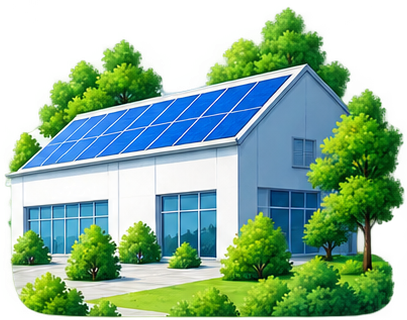
Reliable energy access underpins economic growth and industrial development, yet in Malaysia much of this energy continues to be generated from non-renewable sources such as natural gas and coal, contributing to environmental harm. Mindful of this impact, Pantech Global is committed to using energy efficiently across our manufacturing operations and progressively diversifying our energy sources to support more sustainable, resilient operations.
Key initiatives

Reinforcing good practices
Reminders are prominently displayed at strategic locations throughout our facilities, reinforcing good energy consumption habits, including switching off non-critical machinery, lights, and air-conditioning systems when not in use, among all staff.
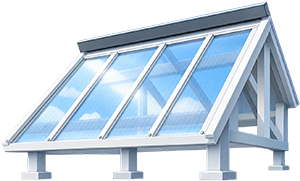
Translucent roofing
Natural sunlight is maximised across our facilities, particularly in warehouse operations, to reduce reliance on artificial lighting and lower overall electricity consumption, contributing to a lower GHG footprint.

Solar photovoltaic (PV) systems
- 1,469.32 kWp solar PV system installed in PSI and energised in January 2023.
- 2,800.24 kWp solar PV system installation in PSA and energised in November 2024.

Daily monitoring
Surges in electricity consumption are promptly escalated to the Head of Production and the Management team for verification and investigation. This process enables energy usage to be reconciled against ongoing production activities, facilitating the appropriate corrective actions where necessary.
Water usage
Our Pledge
Clean water is a resource we all depend on, yet it remains under growing pressure as industrial and community needs continue to rise. As a manufacturer of pipe fittings and welded pipes for industrial fluid transmission, Pantech Global recognises water as essential to our production processes, and we are committed to using it responsibly — drawing only what is necessary while supporting the communities around us in maintaining access to clean water.
Key initiatives

Use of World Resource Institute (WRI) Aqueduct Water Risk Atlas Tool
Water stress levels at our operating locations have been assessed to determine whether intervention or mitigation measures are required.

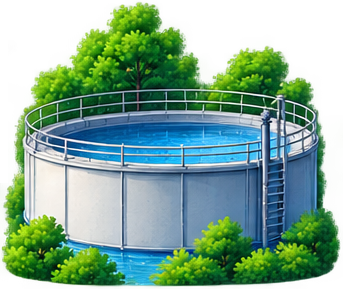
Rainwater harvesting
Three (3) rainwater harvesting systems encompassing collection, filtration, and storage systems with a total capacity of 0.15 ML for nonportable use.

Reinforcing good practices
Notices are strategically placed throughout our facilities to remind employees to turn off taps when not in use.

Reverse Osmosis (“RO”)
Reject Water Reuse
RO reject water is reused as make-up water for cooling tower operations, reducing overall raw water consumption and minimising process water wastage.
Daily monitoring
Water consumption is actively monitored and reviewed in the context of ongoing production activities to identify anomalies and enable timely corrective action.
Waste management
Our Pledge
Improper waste management can harm both the environment and public health, particularly in industrial settings where manufacturing by-products require careful handling. Pantech Global is committed to the proper storage, treatment and disposal of waste generated from our operations, while progressively increasing the proportion diverted from disposal through recycling and reuse.
Key initiatives
Industrial Effluent Treatment Systems (IETS)
One (1) IETS is in place to ensure wastewater from manufacturing activities is properly treated prior to disposal. The system comprises wastewater and sludge treatment facilities capable of treating and neutralising up to 0.09 ML of acid water per day.

Proper storage
Scheduled waste (SW) is properly stored and managed from its collection to its final disposal by licensed contractors.

Licensed vendors
Appointed licensed waste disposal companies to properly dispose scheduled waste from our operations.

Air scrubber systems
Scrubbers neutralise and filter acidic fumes emitted from the pickling process; dust collectors systems supplement the scrubbers to filter air and keep release of dust particles within permissible limits.

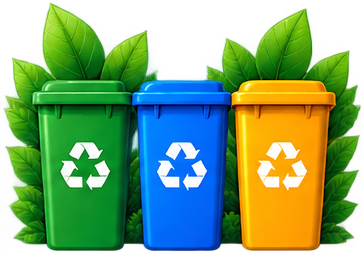
Recycling bins
Segregated and labelled collection bins for different material kinds available in our premises to promote more responsible consumption.

Scrap metal contractors
Licensed recycling contractors are granted access to recover valuable materials from our operations, supporting circularity and reducing waste directed to landfill.
Pollution
Our Pledge
Industrial manufacturing, if left unmanaged, can contribute to air and water pollution that affects both the environment and the communities surrounding our operations. As a manufacturer of pipe fittings and welded pipes for industrial fluid transmission, Pantech Global is committed to controlling emissions and effluents from our production processes, ensuring they are properly treated before release to protect the health and safety of our people and neighbouring communities.
Key initiatives

Department of Environment
Continuous monitoring of air and water quality and waste management towards a safer environment for the communities around our operating sites.

Local councils
Regular inspections and audits are conducted to ensure ongoing compliance with environmental standards and applicable regulatory requirements.
Resource Use

Our Pledge
Responsible resource use is central to reducing the environmental footprint of any manufacturing business. Pantech Global is committed to using raw materials and operational resources efficiently across our production processes, minimising waste and supporting more sustainable, circular practices wherever practicable.
Key initiatives
Digitalisation
Promote paperless workflows and digital processes to reduce paper consumption across the organisation.

Material Reuse Programs
Implement thorough inspections of disposed steel materials to identify reusable scrap. Wherever possible, reprocess these materials into other products to help minimise waste and maximising resource efficiency within the business operations.